


ARACNE SCHOOL PILOT EDUCATIONAL PROGRAM
news
- Mon: closed
- Tu.: 11:00 - 18:00
- Wed.: 11:00 - 18:00
- Thu.: 11:00 - 18:00
- Fri.: 11:00 - 18:00
- Sat.: 11:00 - 18:00
- Sun.: closed
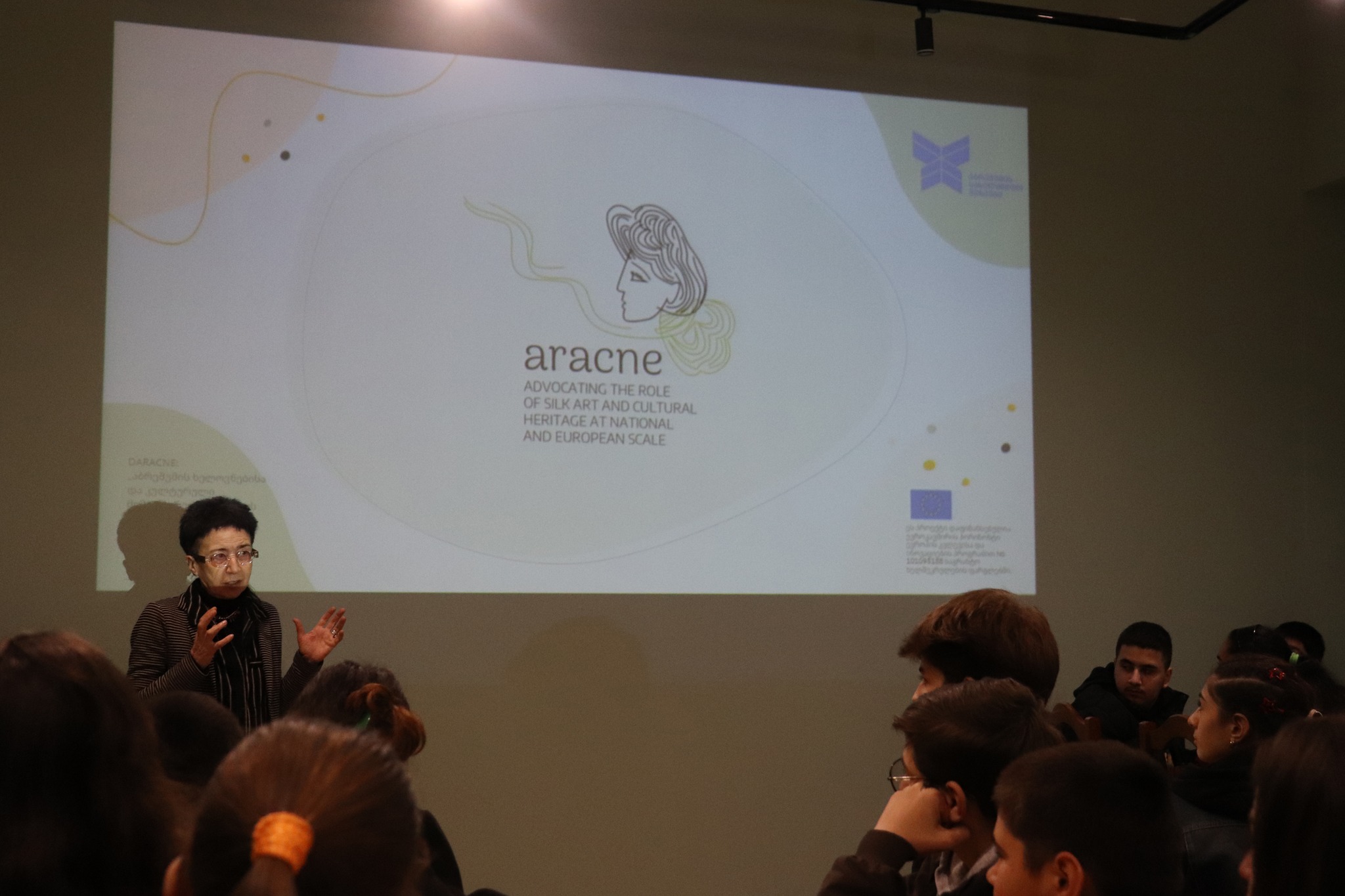
The ARACNE Project (2023–2026) focuses on the cultural heritage of European silk production and its preservation. It aims to revive traditional skills through the adaptation of cultural and artistic heritage. In this way, the project establishes a European cultural identity linked to silk, with the goal of creating a new European Silk Road - a cultural route spanning across Europe.
From Georgia, the project partner is the State Silk Museum, which implements various activities in different directions.
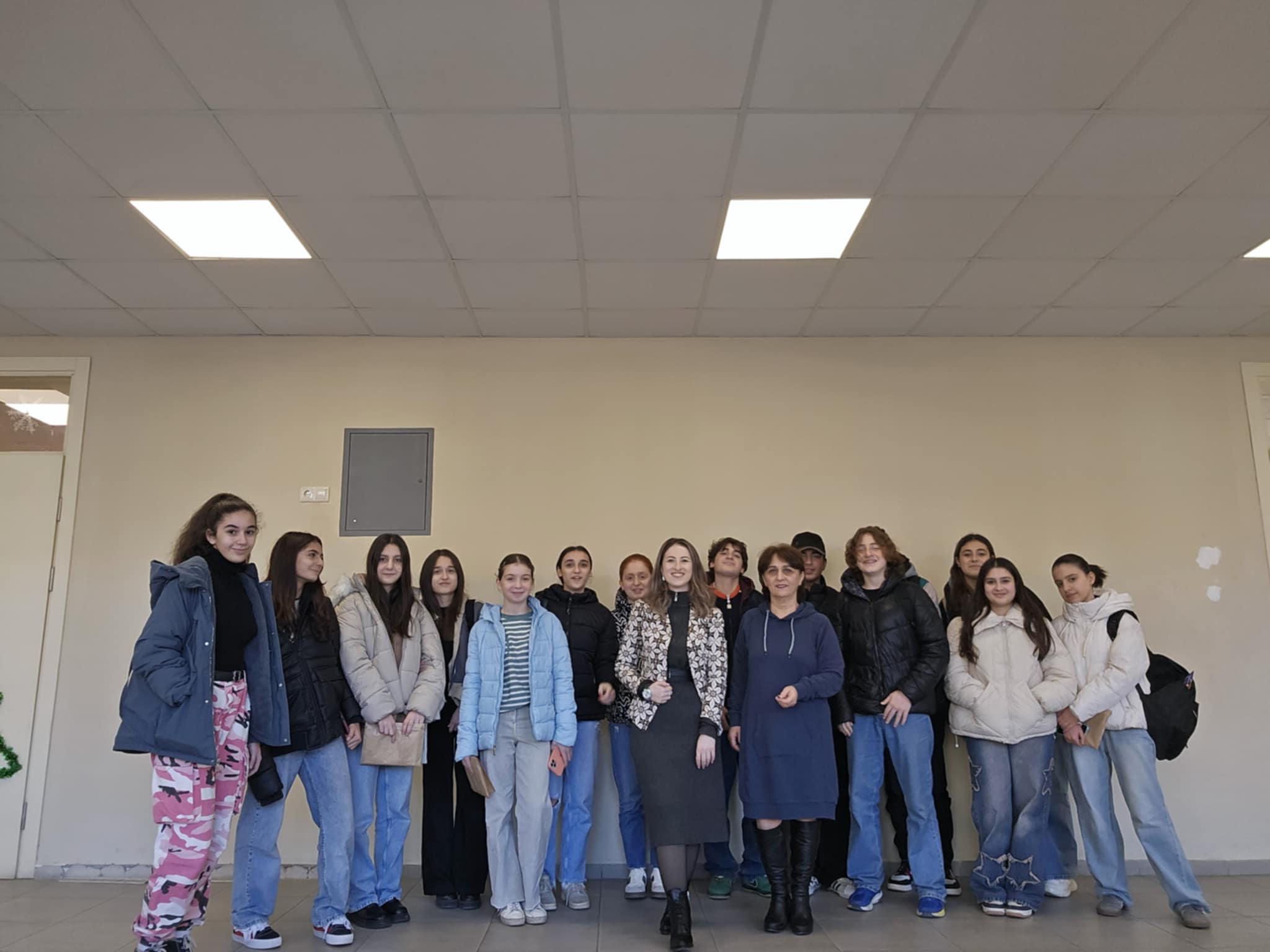
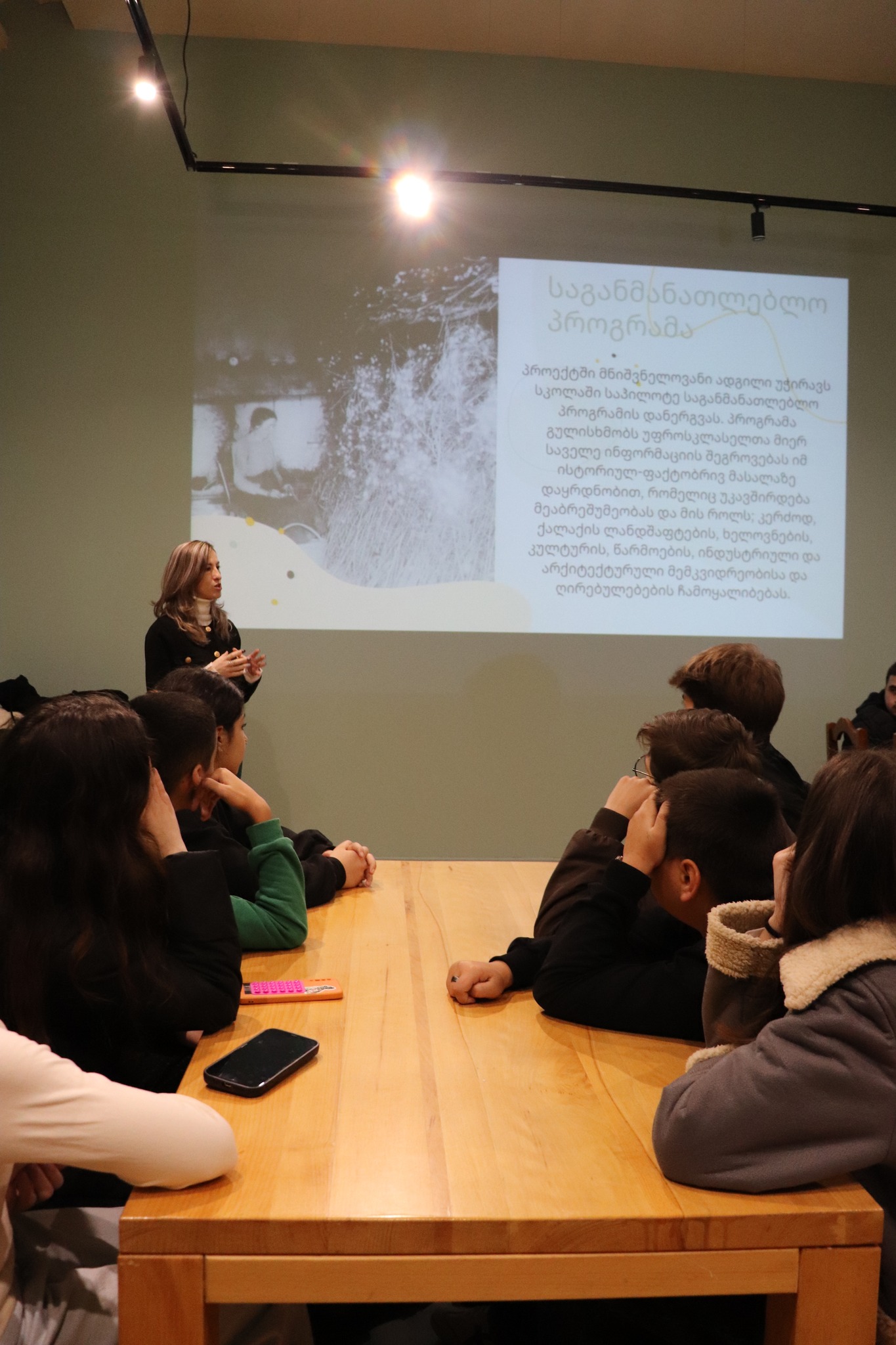
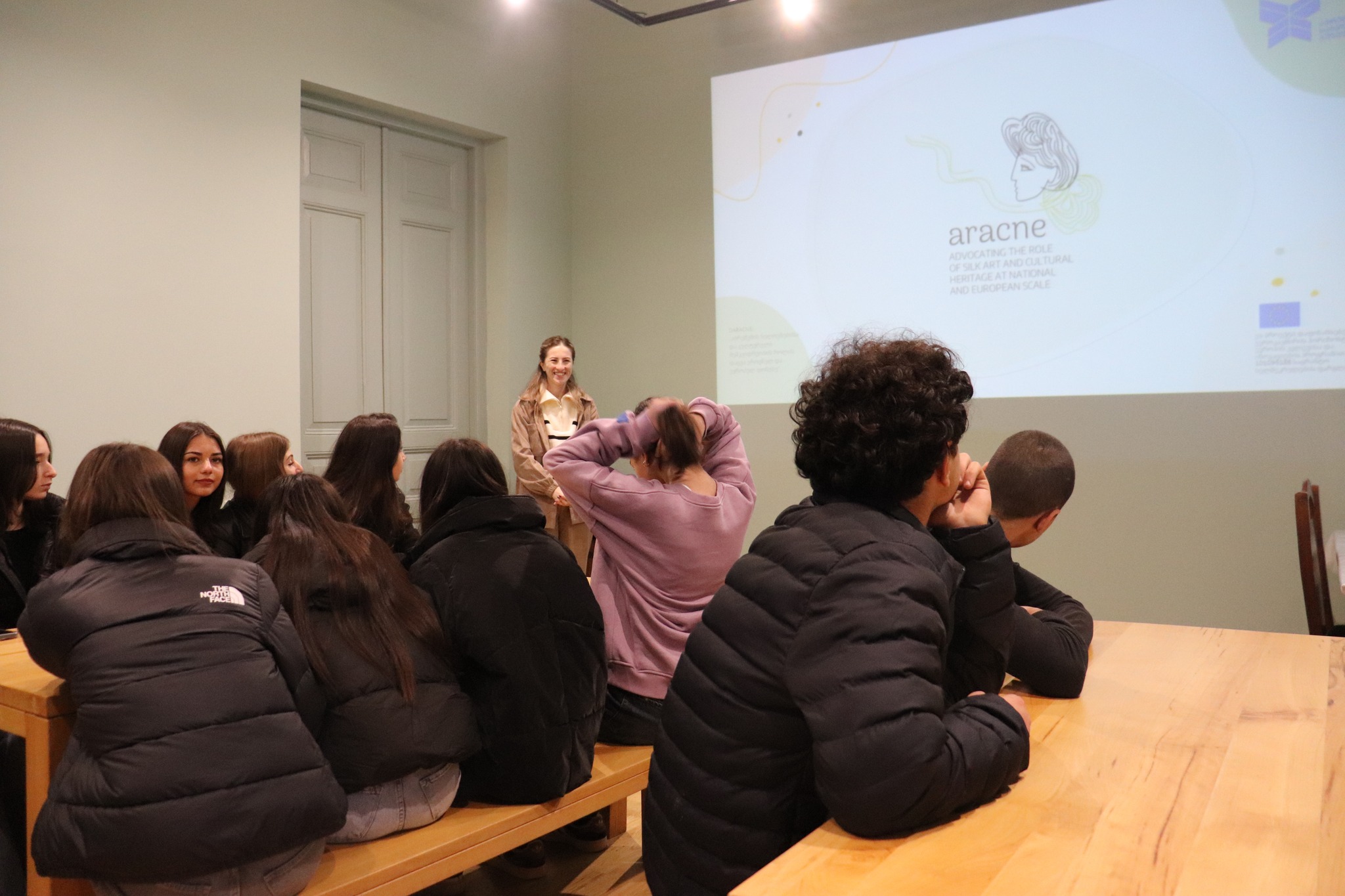
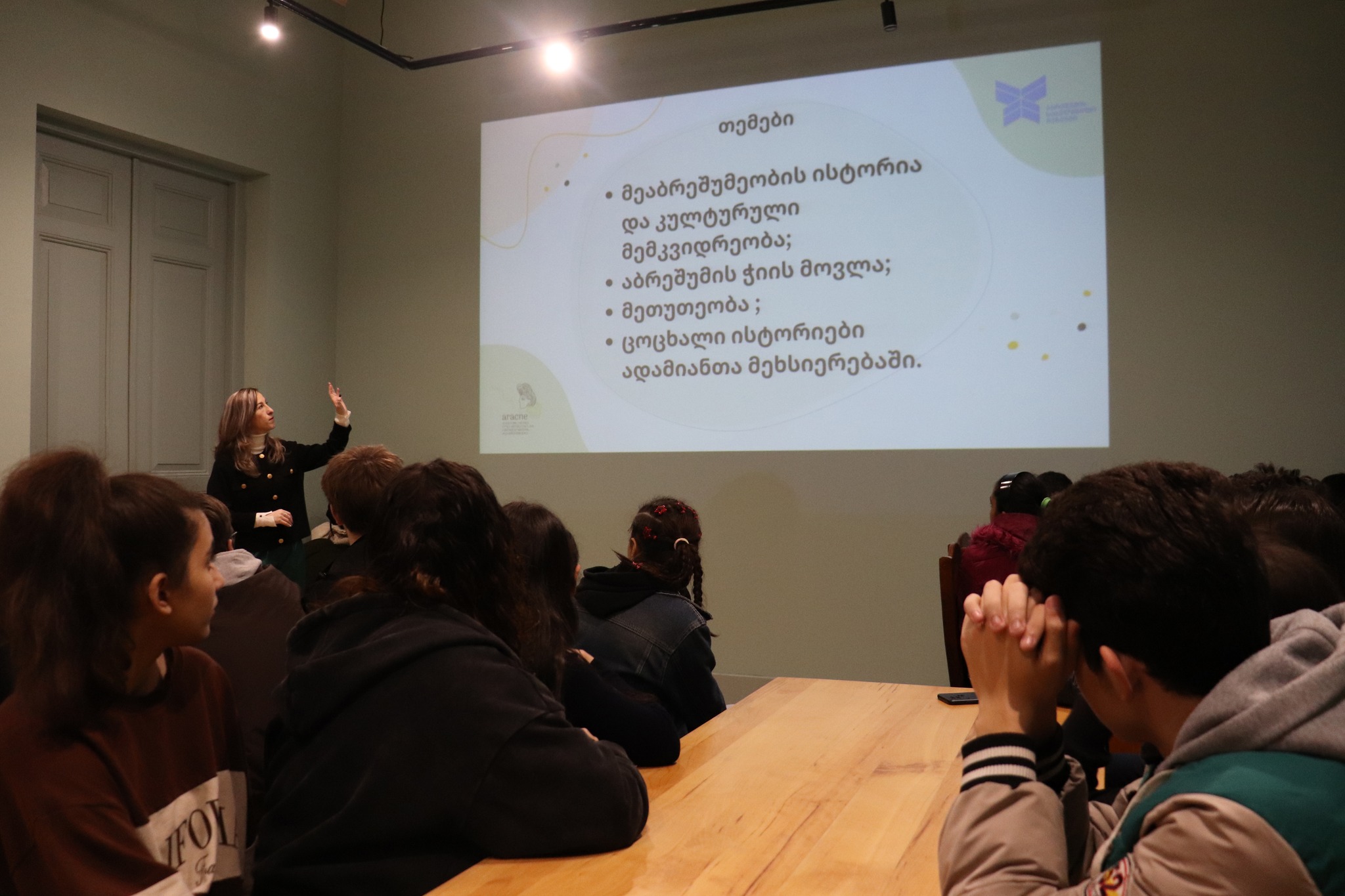
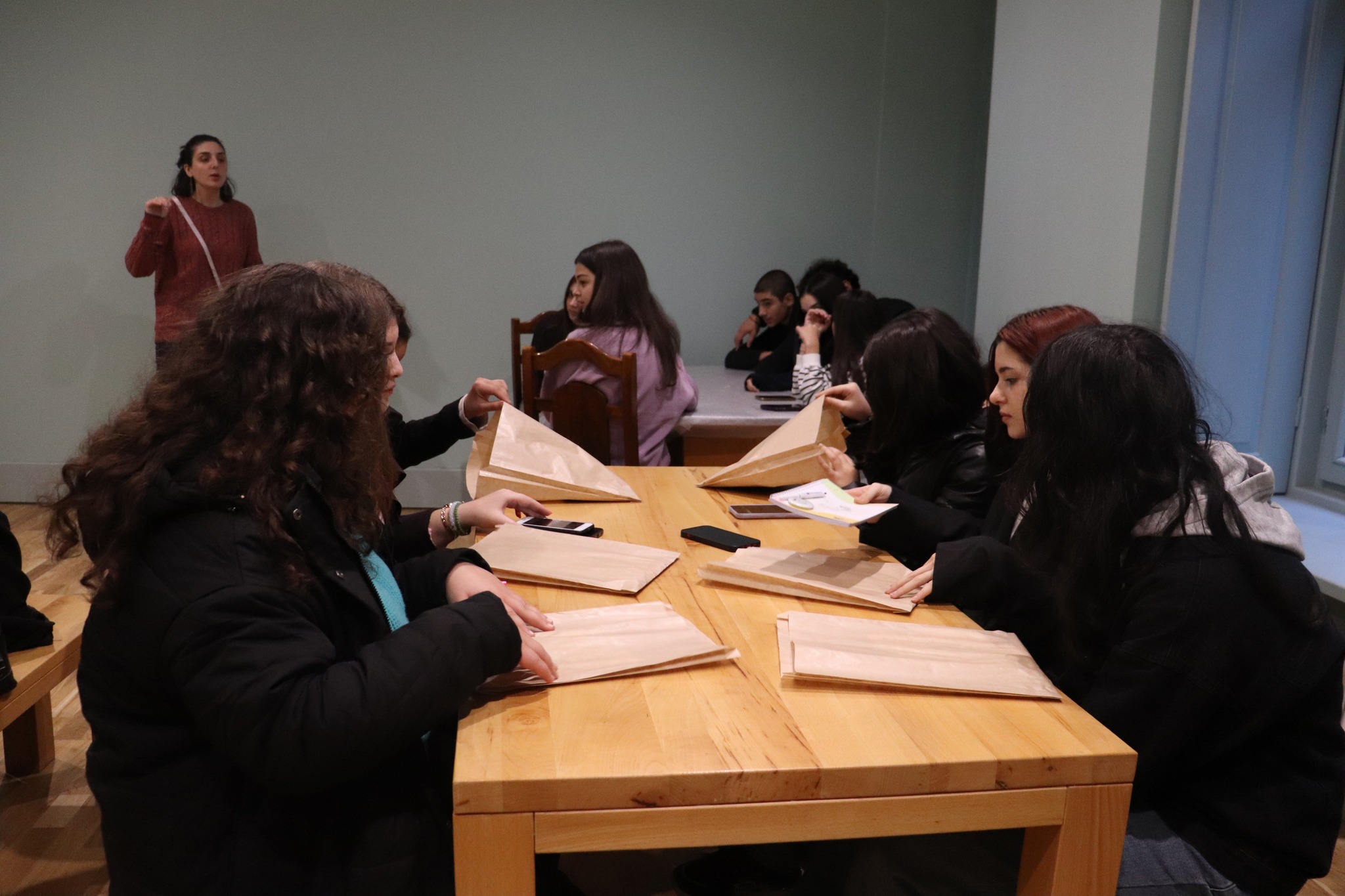
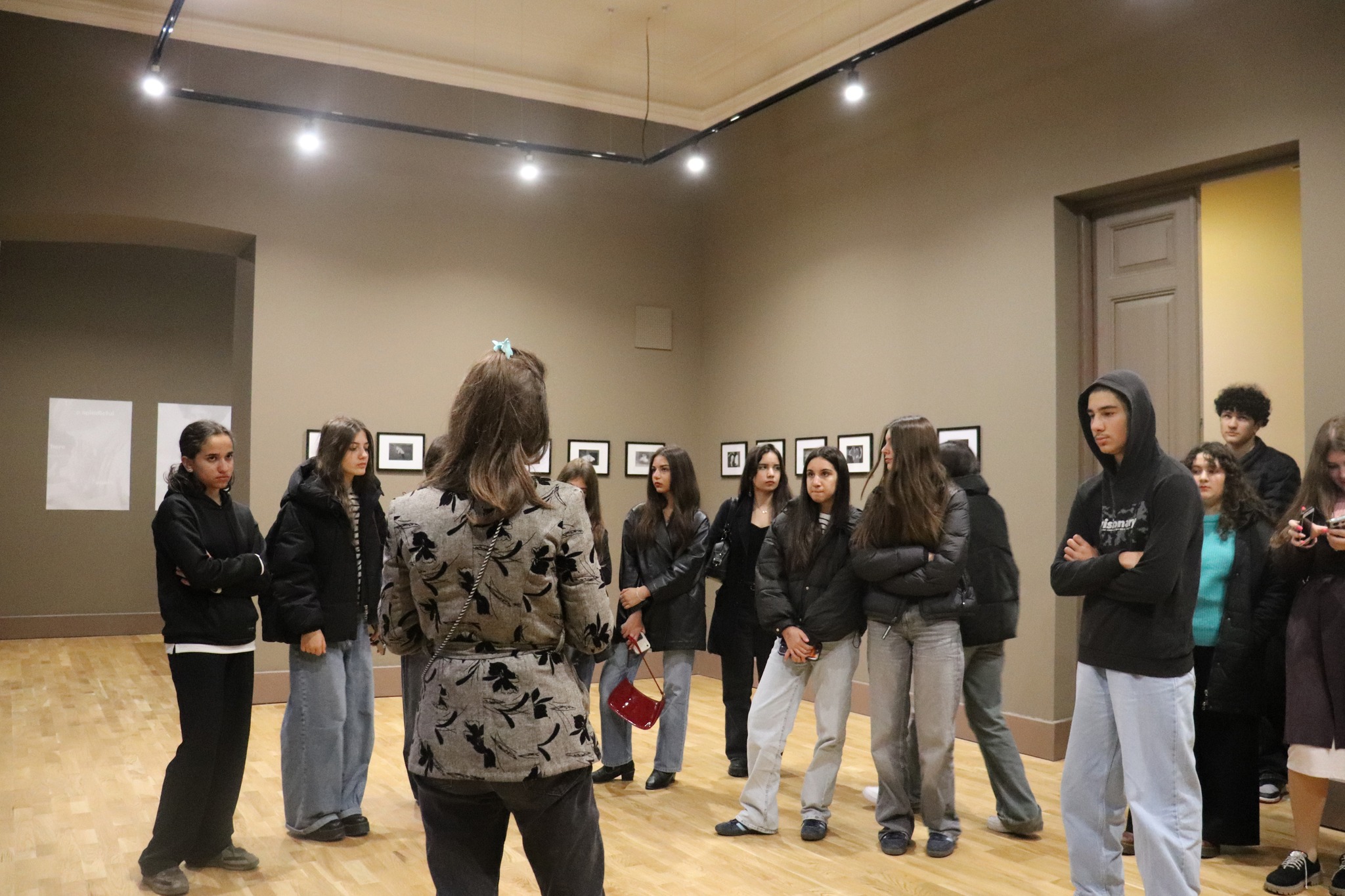
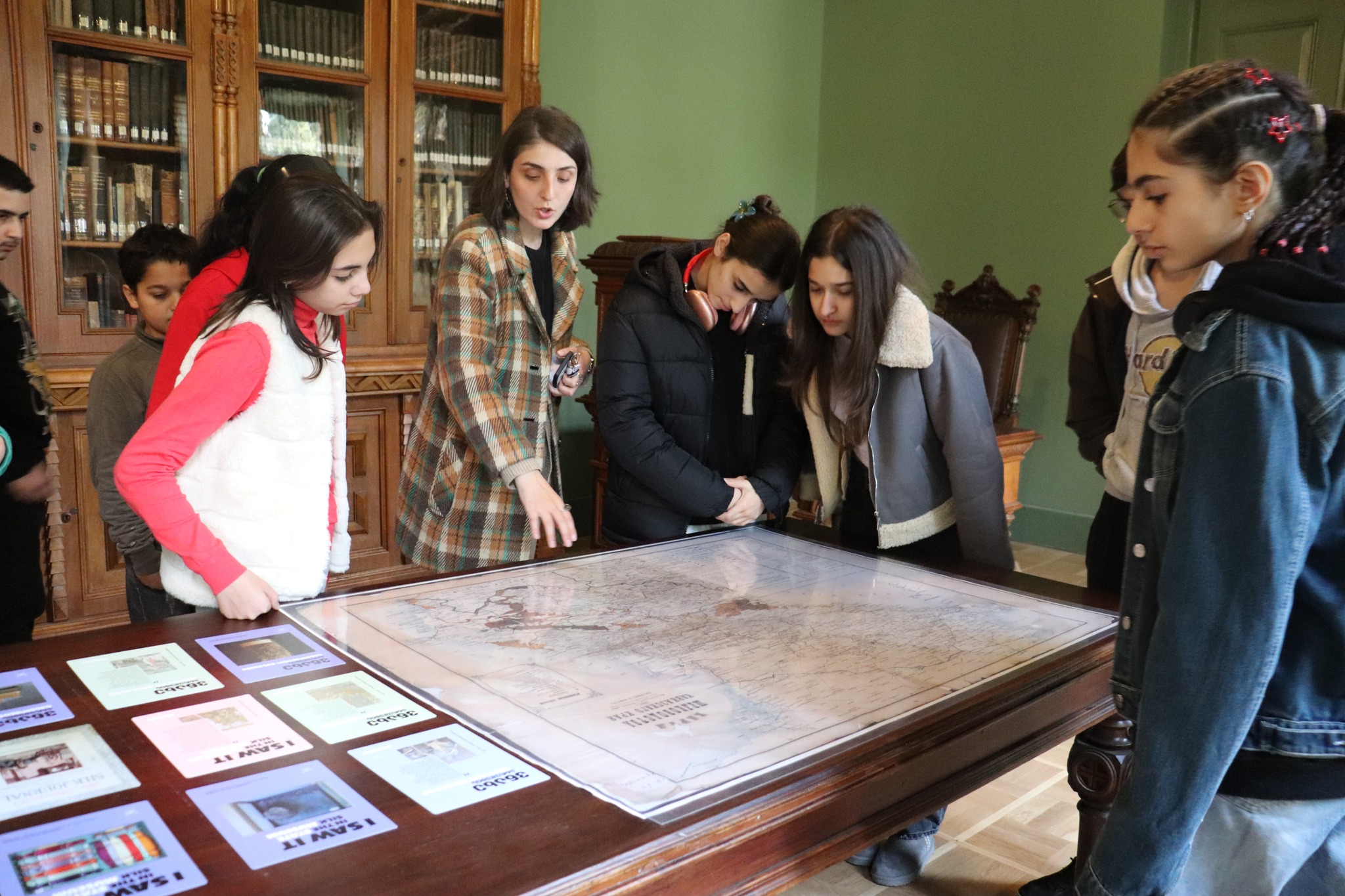
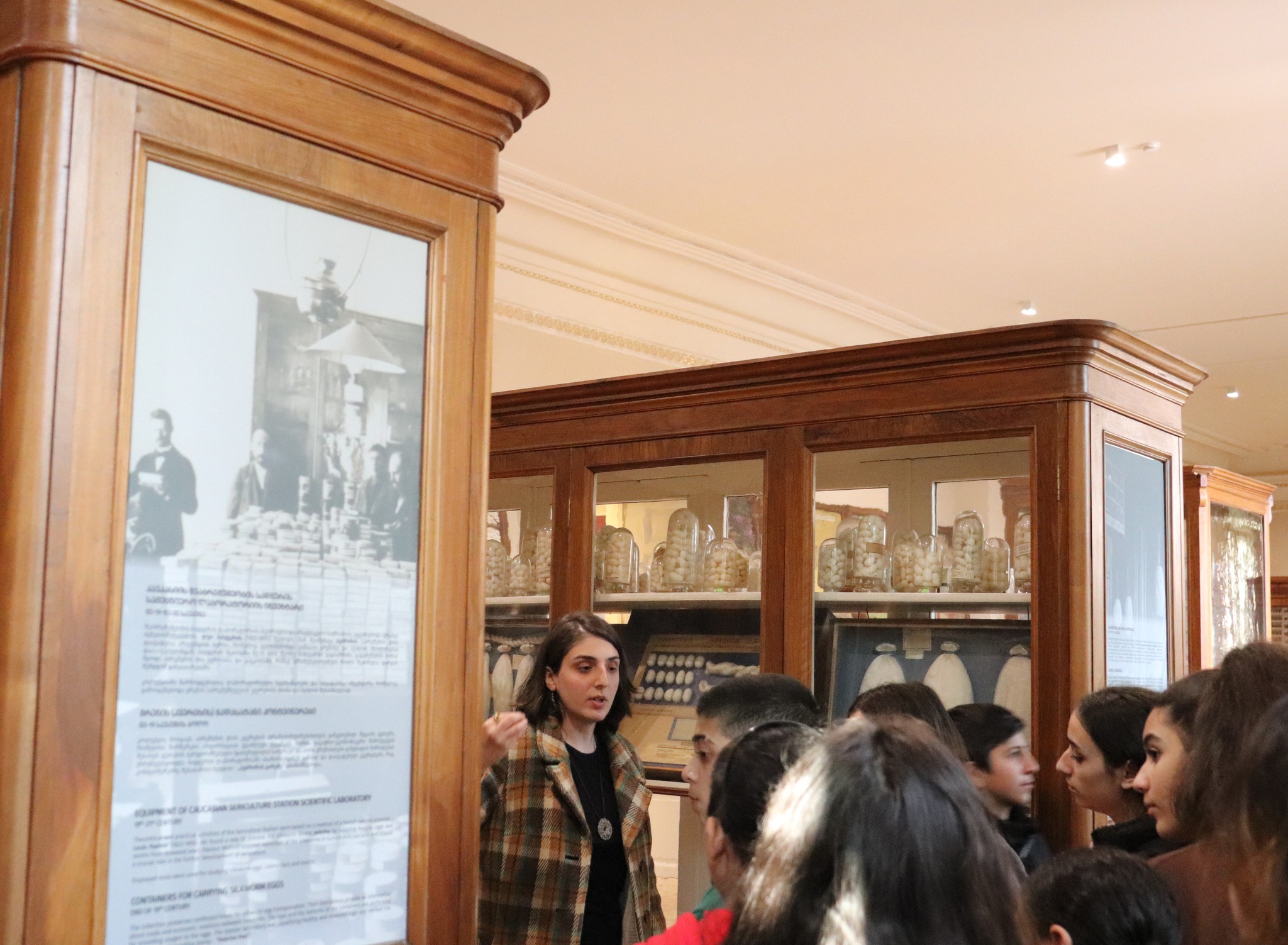
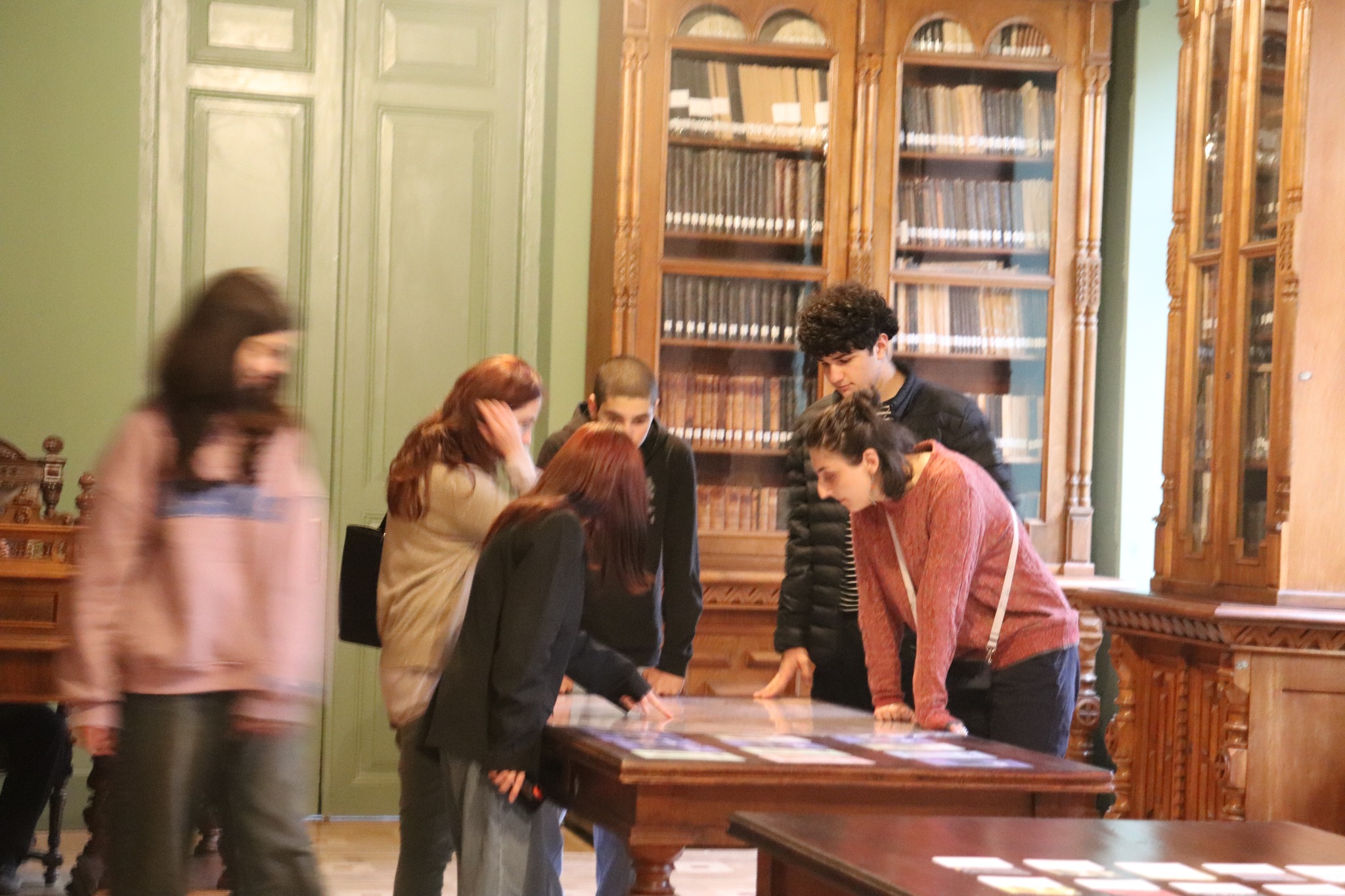
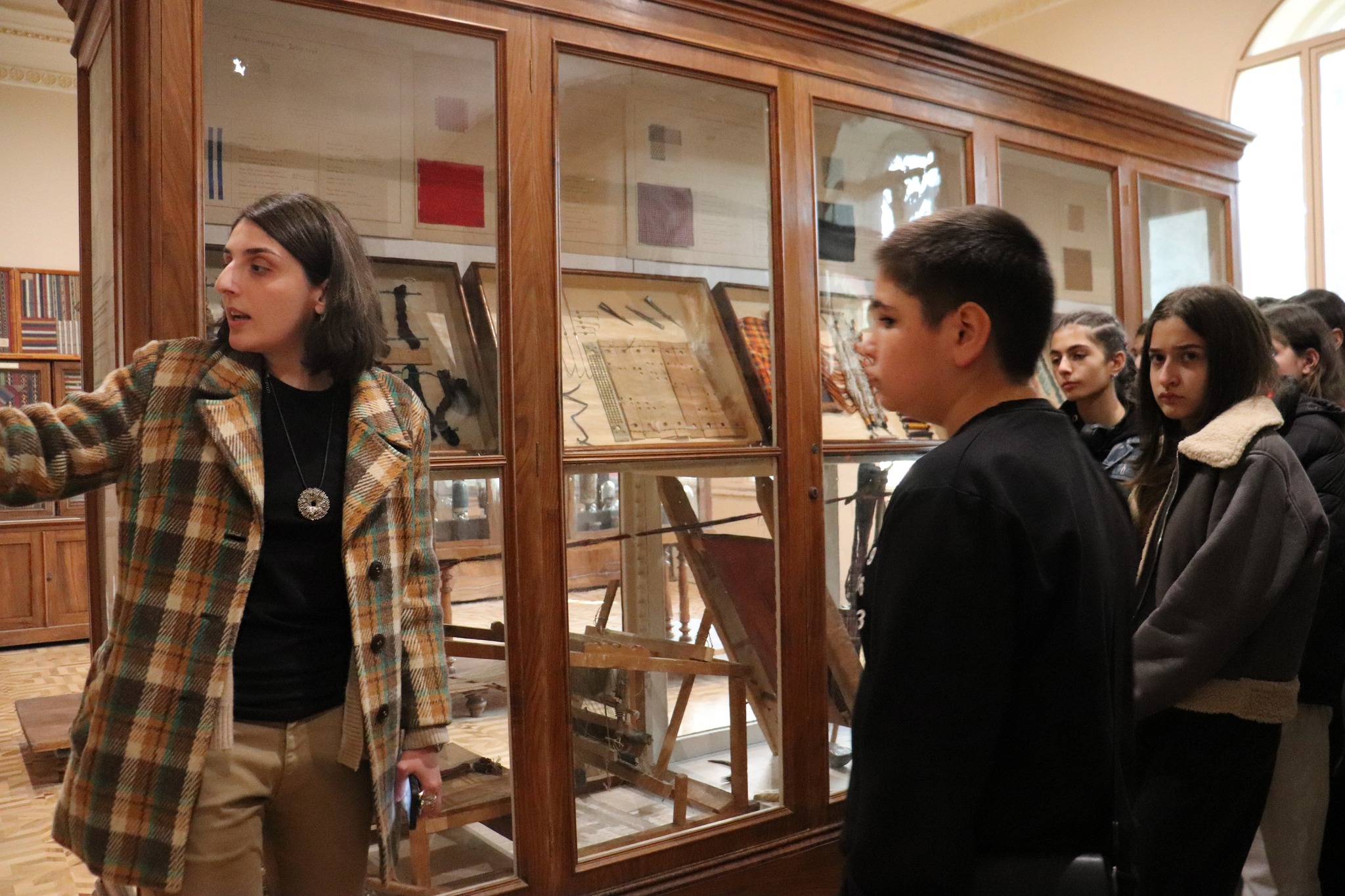
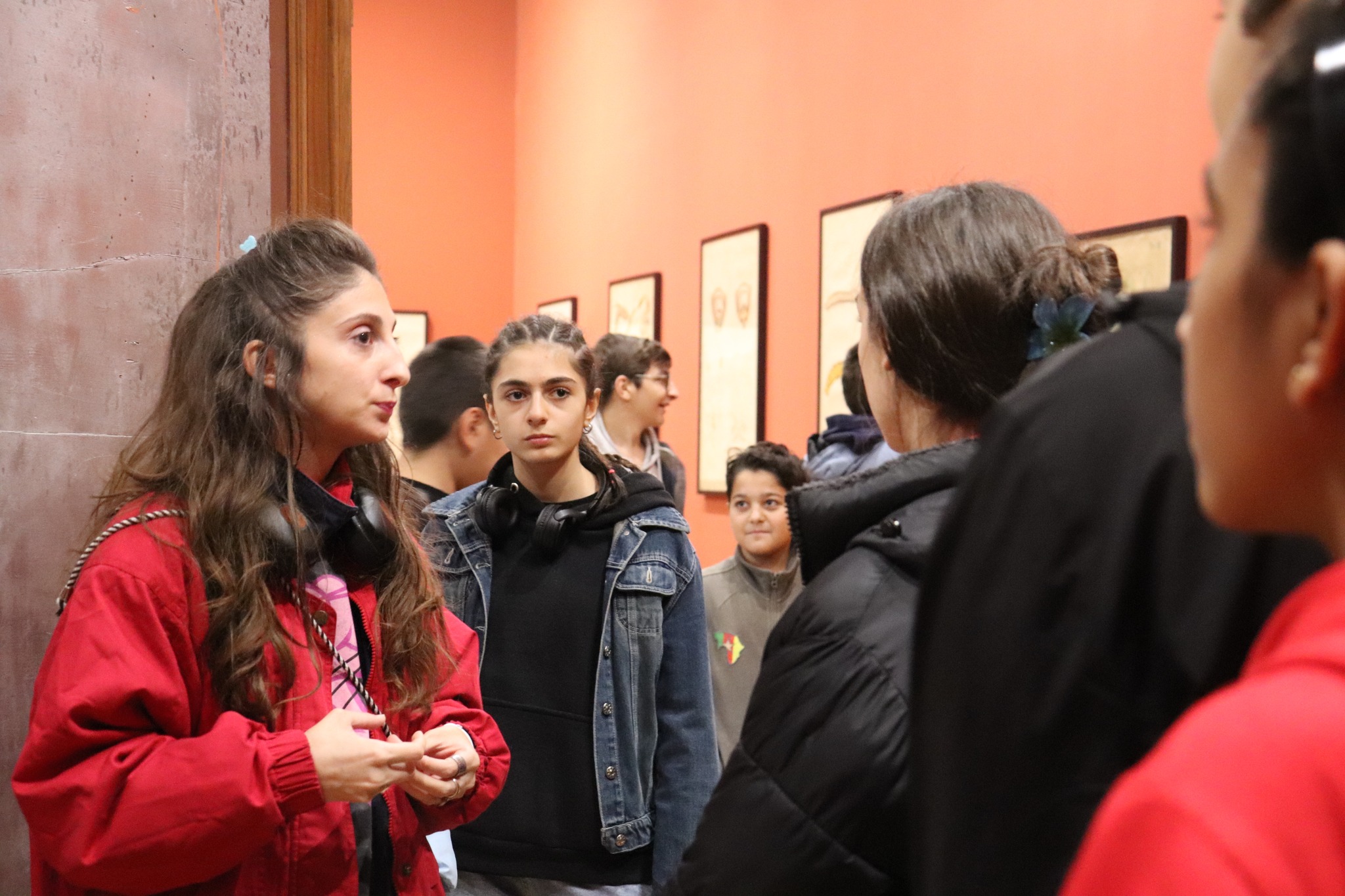
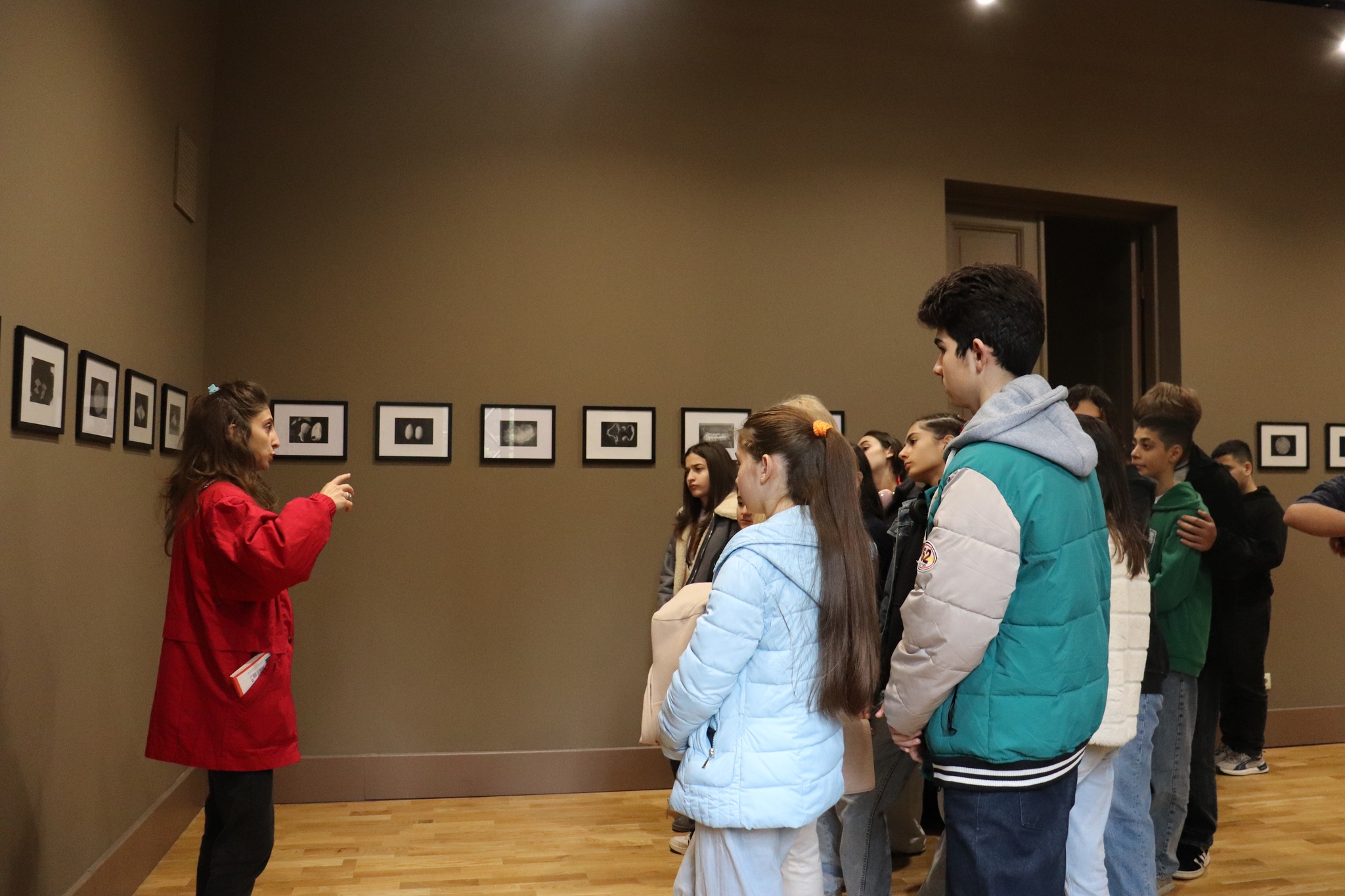
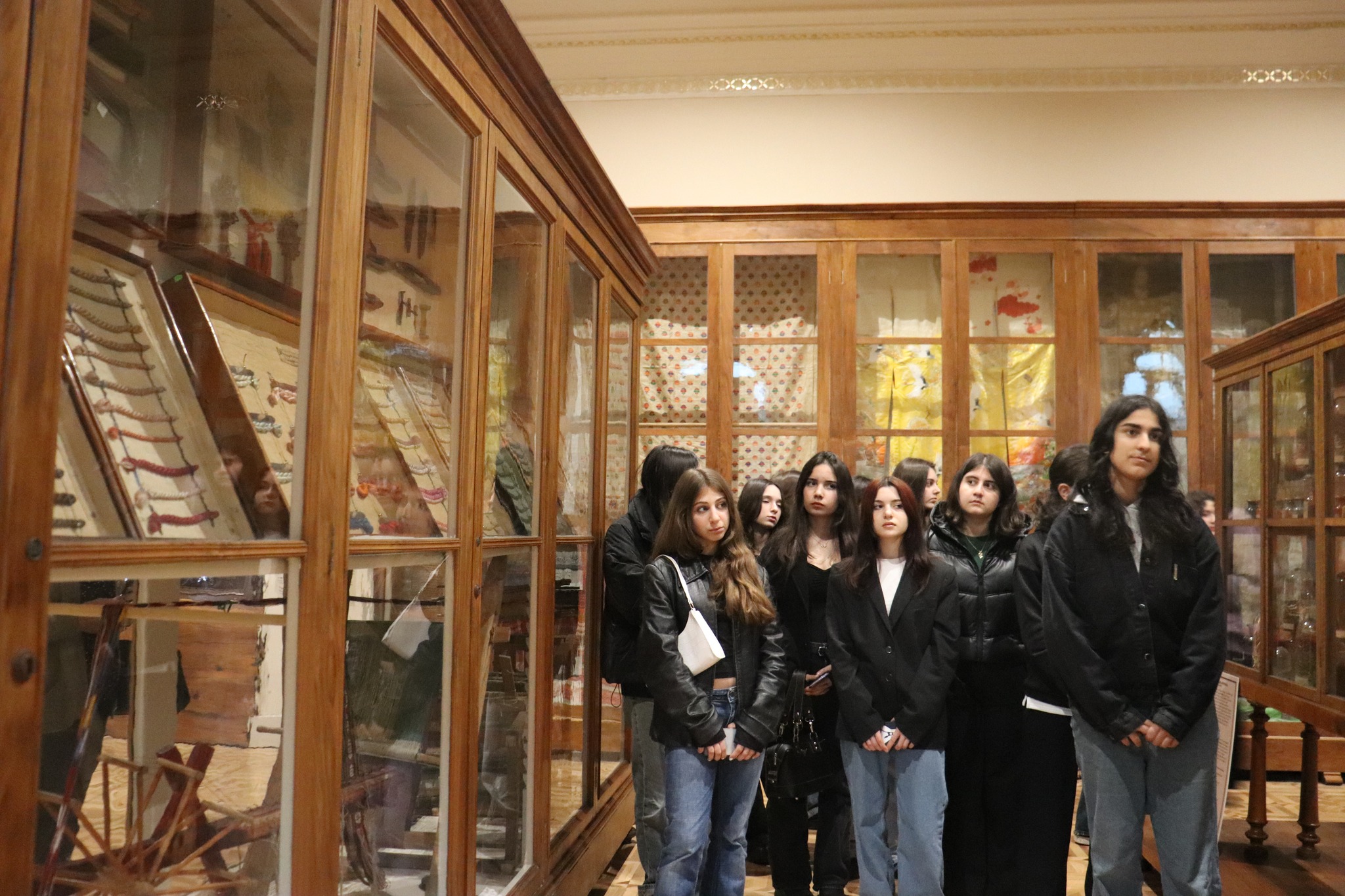
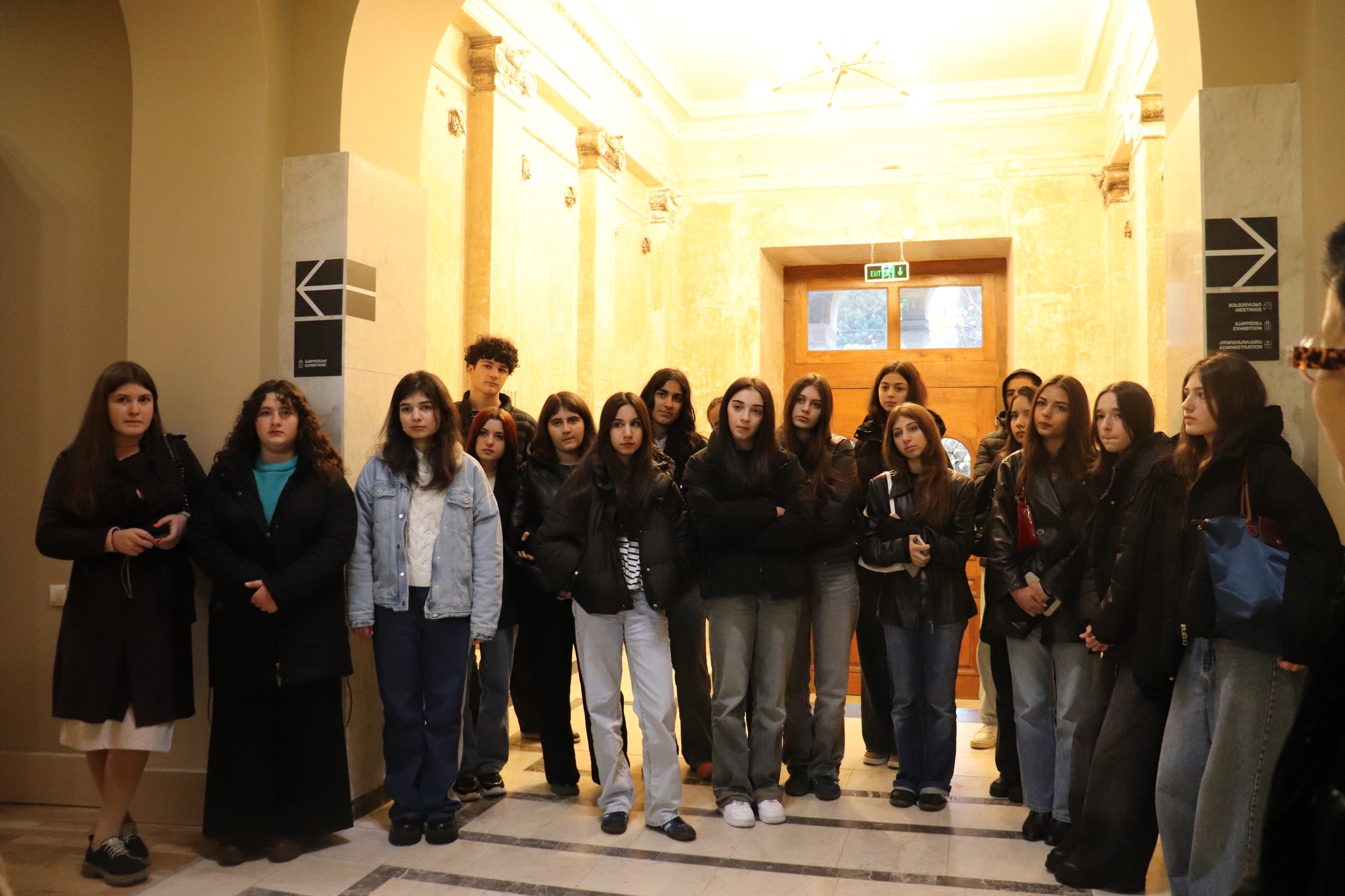
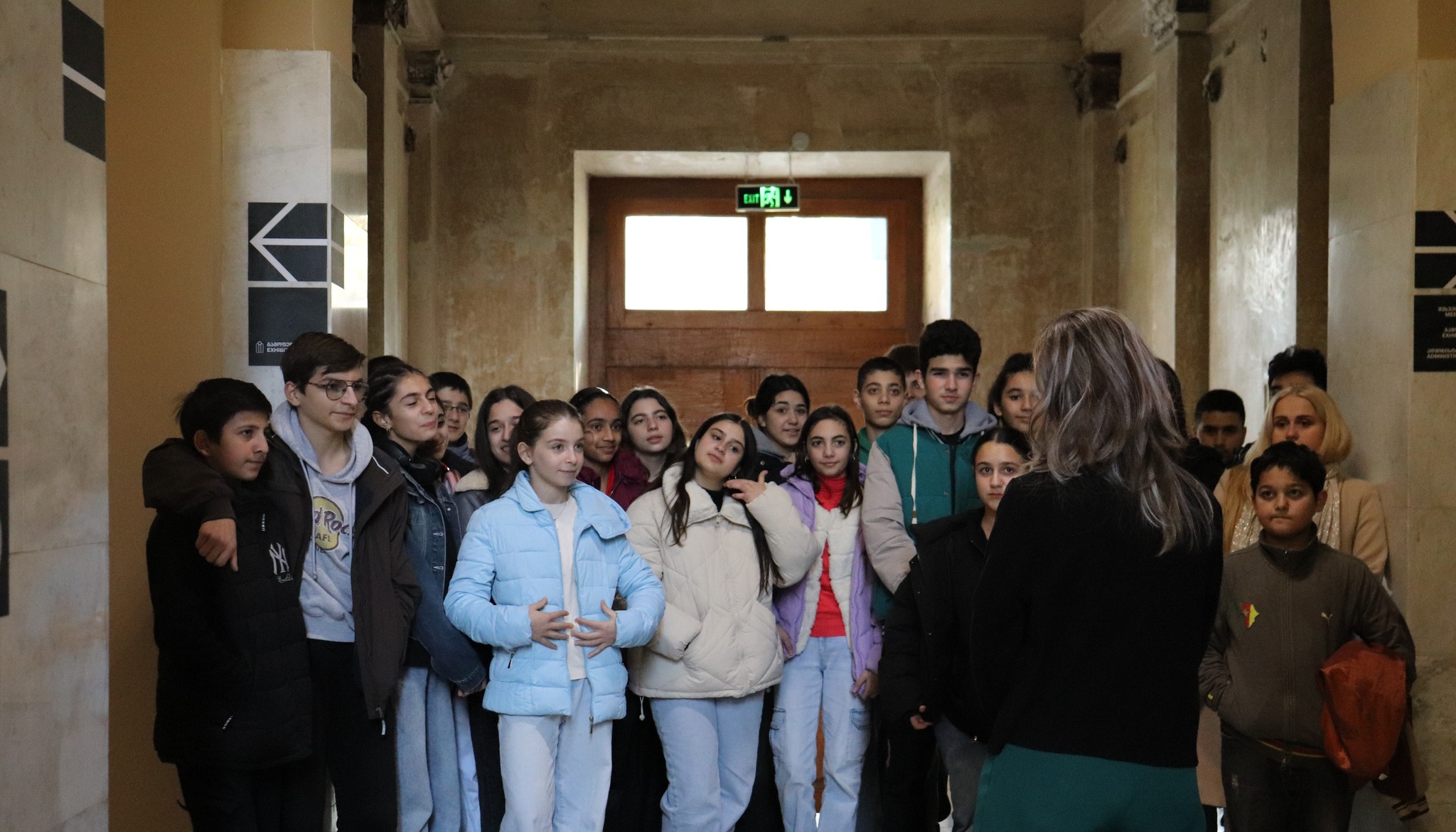
In the winter of 2024, as part of ARACNE’s educational activities, we hosted participating students at the museum. This provided an opportunity to introduce them to the museum, our team, its activities, goals, collections, and ongoing exhibitions. We also discussed in detail the project itself, the planned activities, and the importance of their involvement.
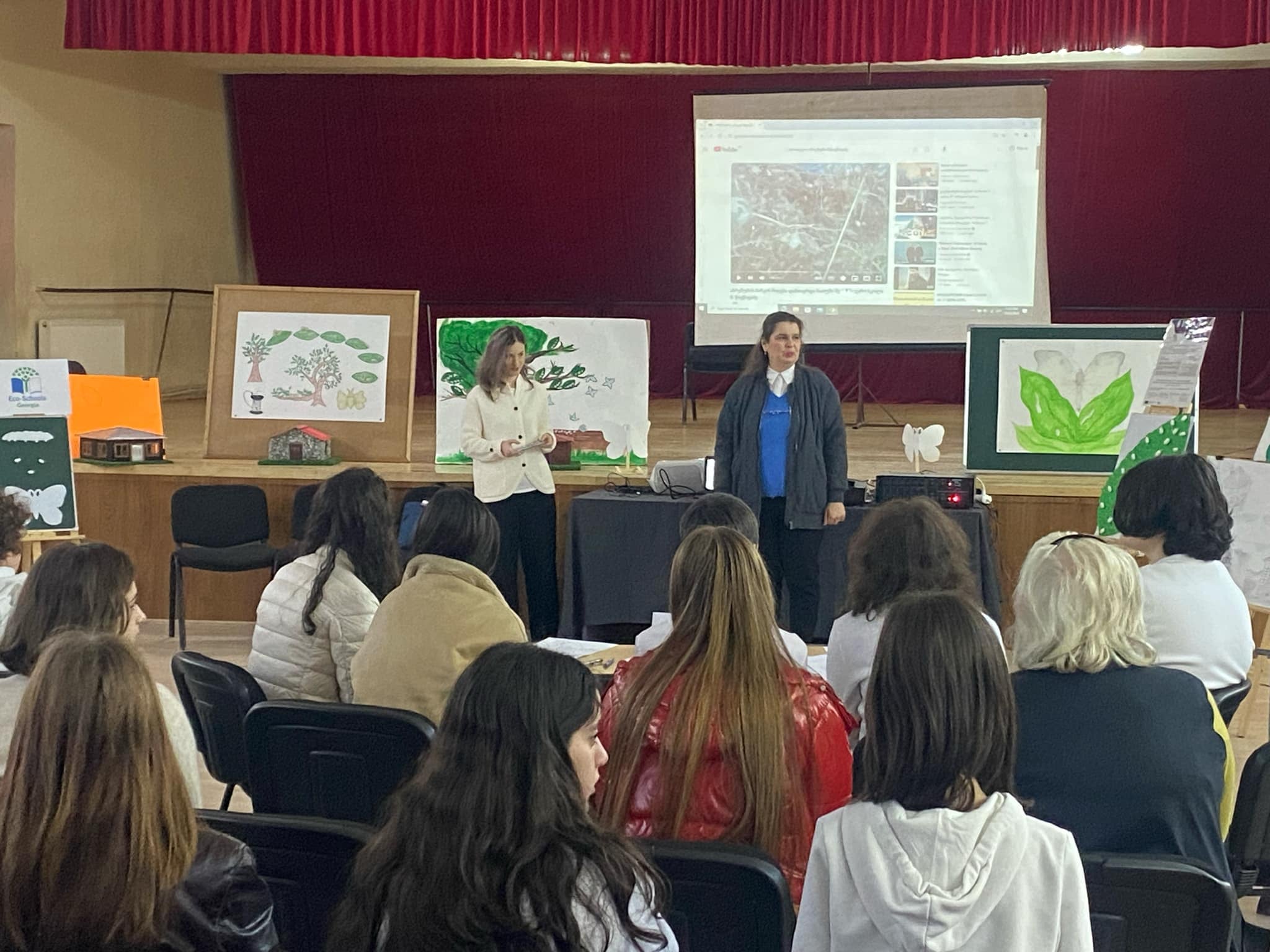
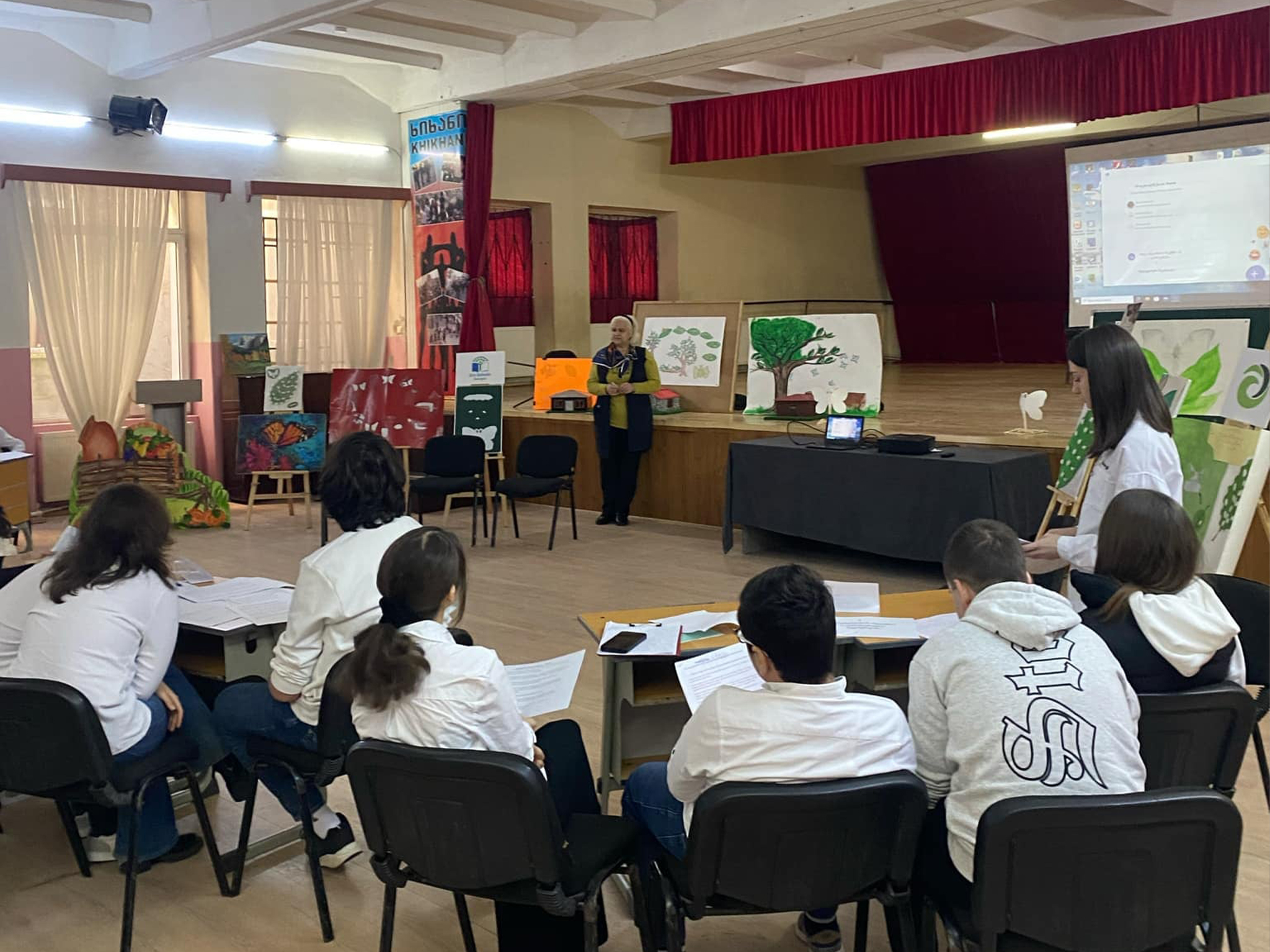
During the same period, Ekaterine Mumladze, Head of the Educational Programs of the State Silk Museum, visited the project’s participating schools (Tbilisi Public School No. 90; Akhmeta Municipality, Village Zemo Alvani Public School No. 1; and Batumi Public School No. 8).
The main goal of these meetings was to familiarize students with the specifics of working on a virtual map, assess their ongoing activities, and monitor the tasks assigned by the museum team.
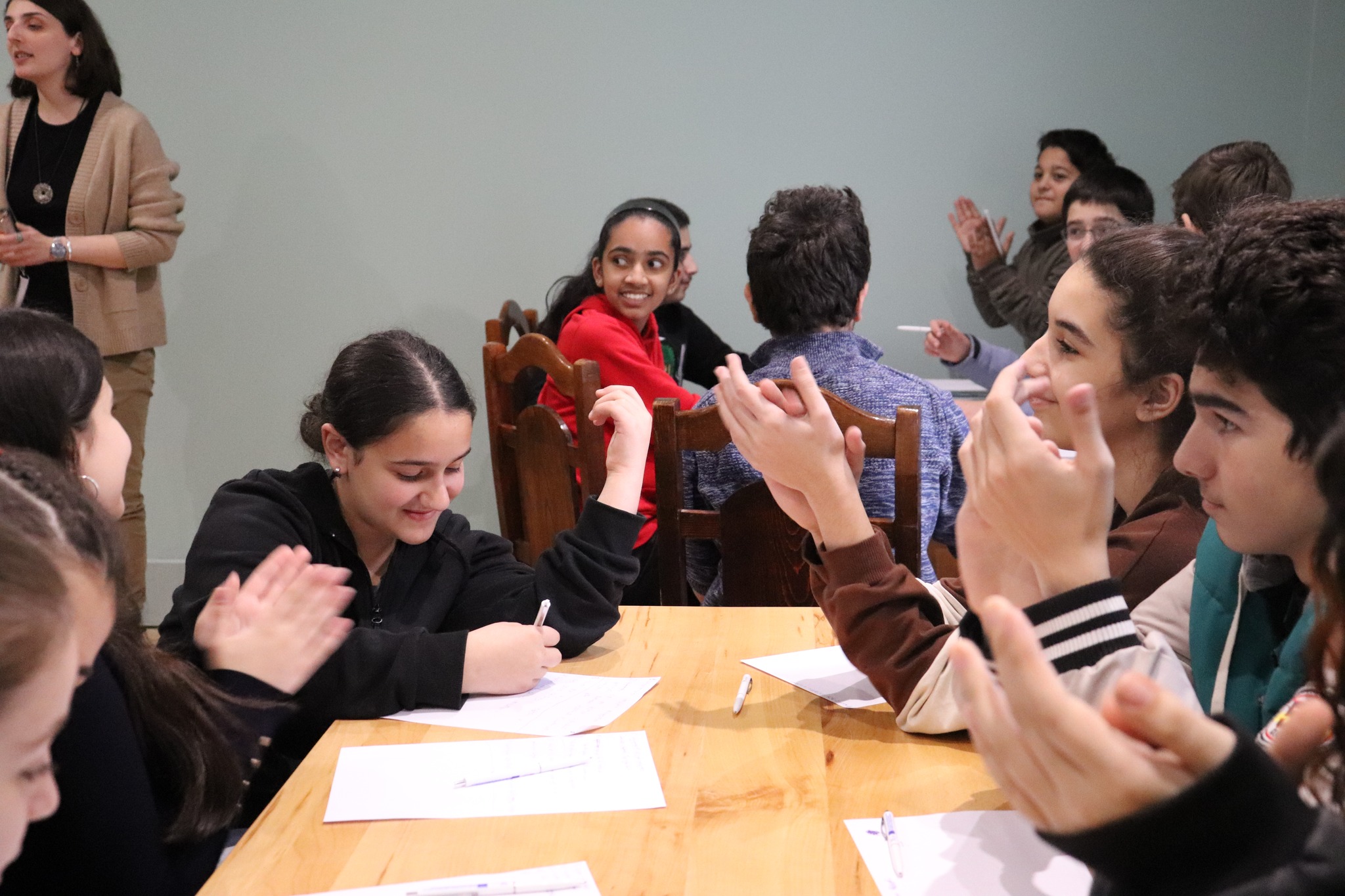
The project fostered interaction between young people and the museum, enhanced their research skills, and promoted a deeper understanding of cultural heritage.
The educational activities carried out within the framework of the project aimed to promote the field of sericulture and to support the preservation of the cultural heritage of silk production.
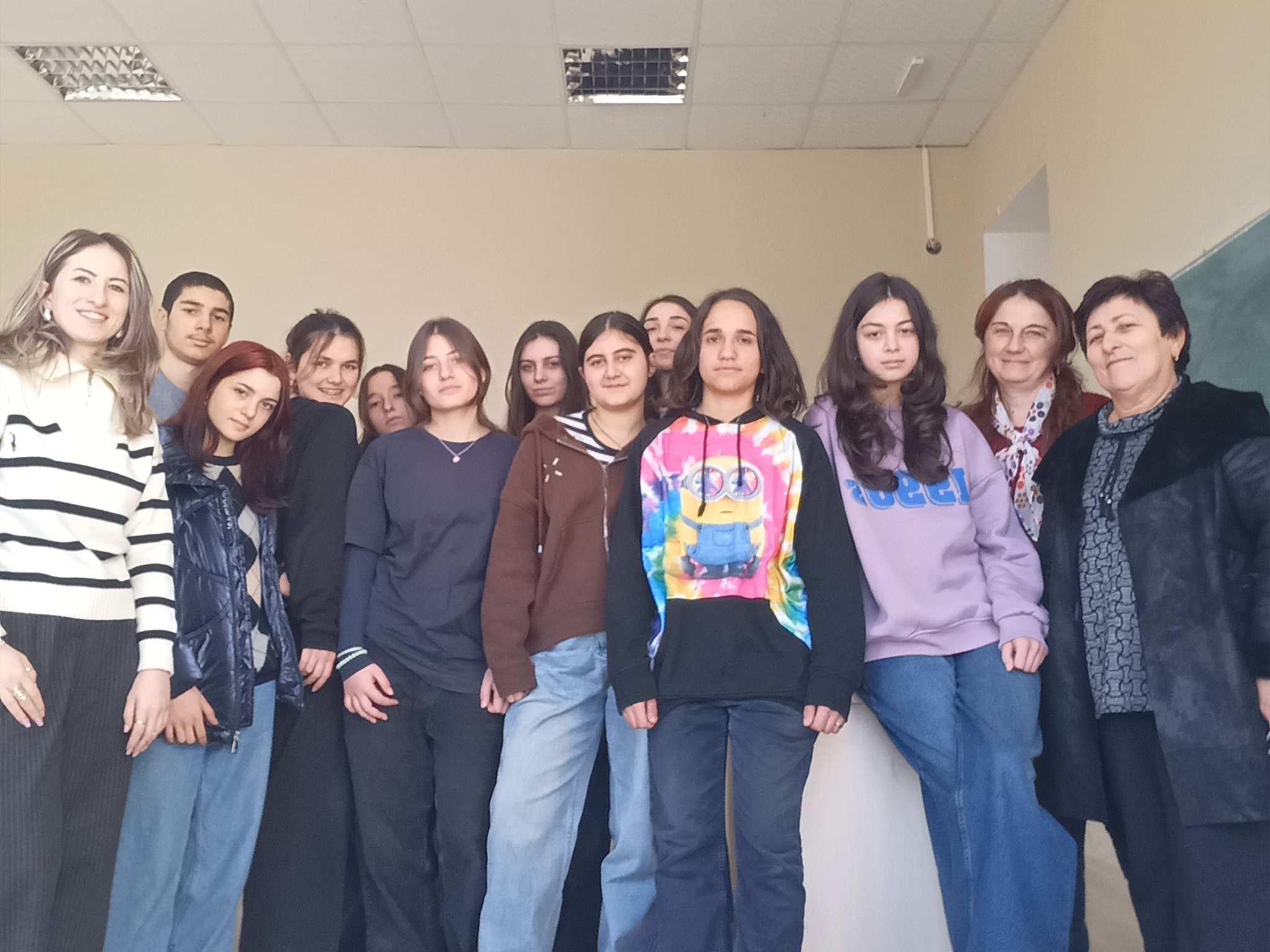
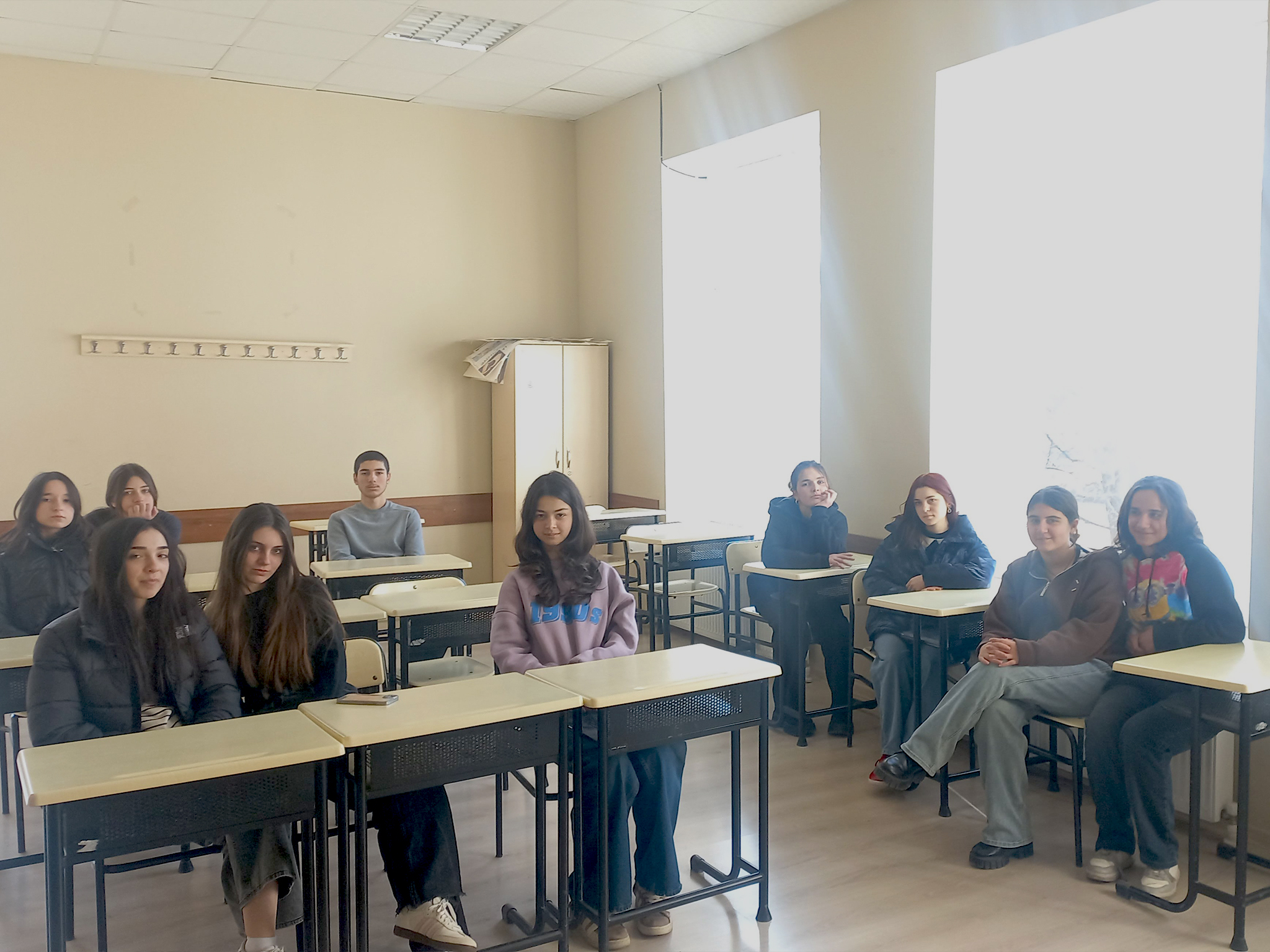
A total of 20 students from grades IX–X of schools in three regions of Georgia (Batumi, Zemo Alvani, and Tbilisi) participated in the planned activities.
The project is funded by the European Union’s Horizon Europe Research and Innovation Programme under Grant Agreement No. 101095188.