



The museum building, as well as the display cases, were designed by the Tbilisi based architect of Polish origin Aleksander Szymkiewicz. Constructed between 1890 and 1892, the building served as the main facility for the Caucasian Sericulture Station, which housed not only the Silk Museum but also a library, scientific laboratories for sericulture, and administrative offices. Remarkably, both the museum and the library have remained unchanged to this day.
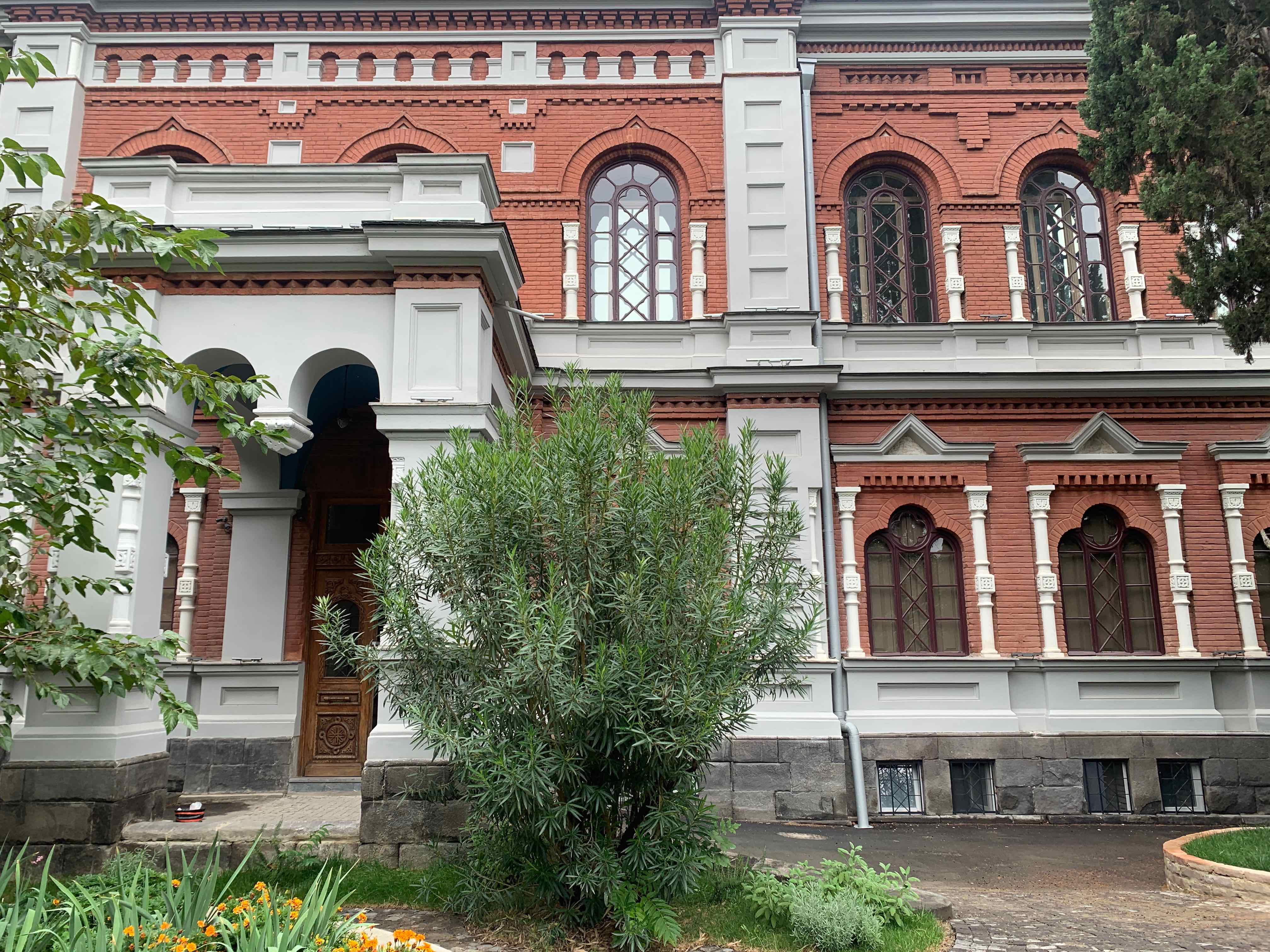
The architecturally eclectic building is constructed from striking red brick, with cornices and wall relief decor also crafted from the same material. A portico accentuates the main entrance of this symmetrical structure, creating a graceful transition between the building and the surrounding garden. The windows, distinct in shape on the first and second floors, play a crucial role in shaping the overall impression of the facades. Originally, the facade featured elaborate geometric ornaments, although these decorative elements have since been lost over time.
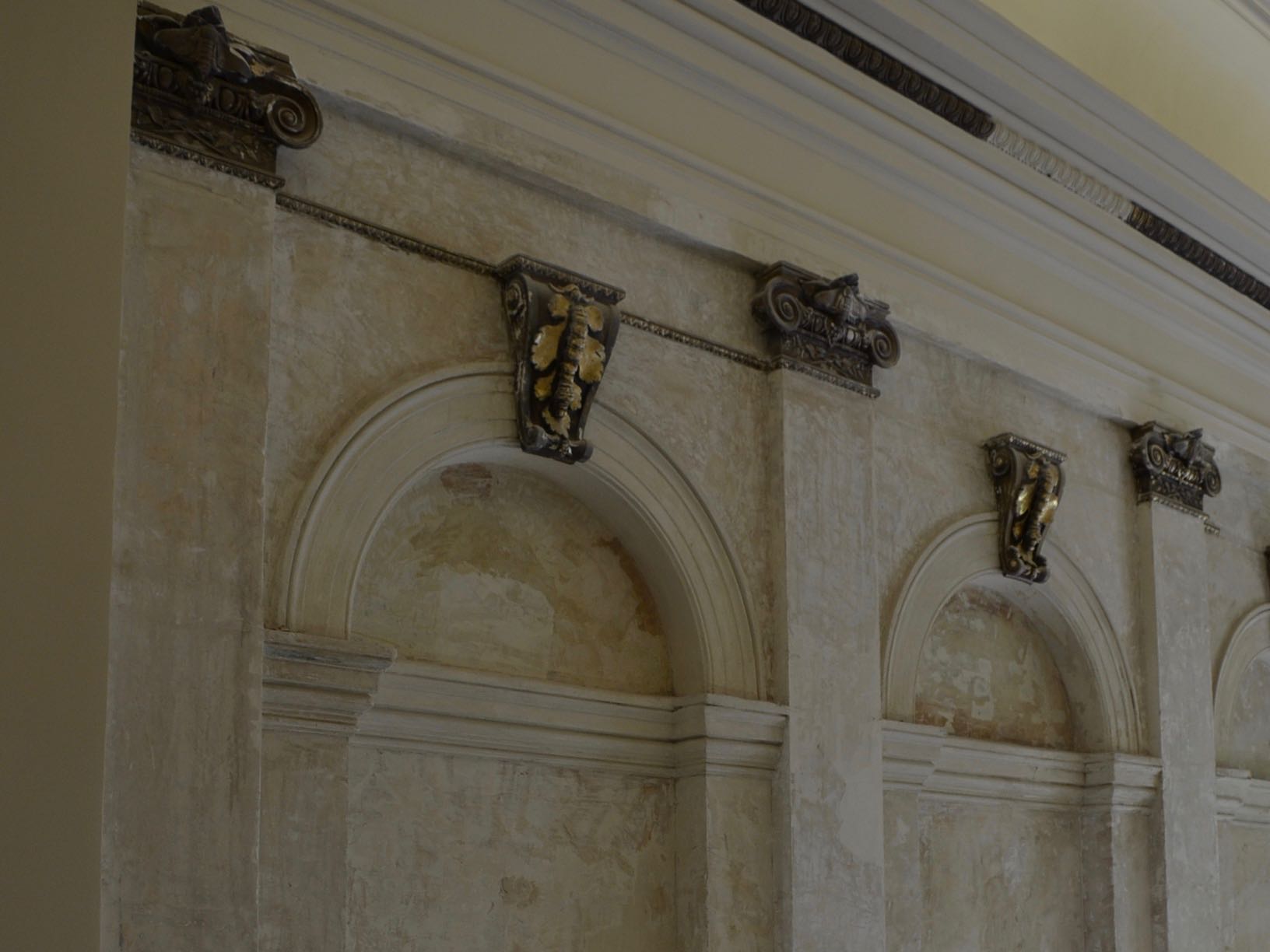
The true marvel of the building lies in its noteworthy interior decoration. Classical ornamentation is masterfully blended with elements celebrating the world of silk. Carvings of mulberry leaves, silkworms, moths, and butterflies adorn the walls, arches, pilasters, and capitals throughout the central vestibule and staircase. This thematic design not only highlights the building's dedicated purpose but also gives it a distinct identity among contemporary museums. The Silk Museum building and the collections preserved here are a unique, unified and indivisible treasure. The Silk Museum was recognized as an immovable monument of Georgia's cultural heritage in 1986-1988 and once more in 2007.
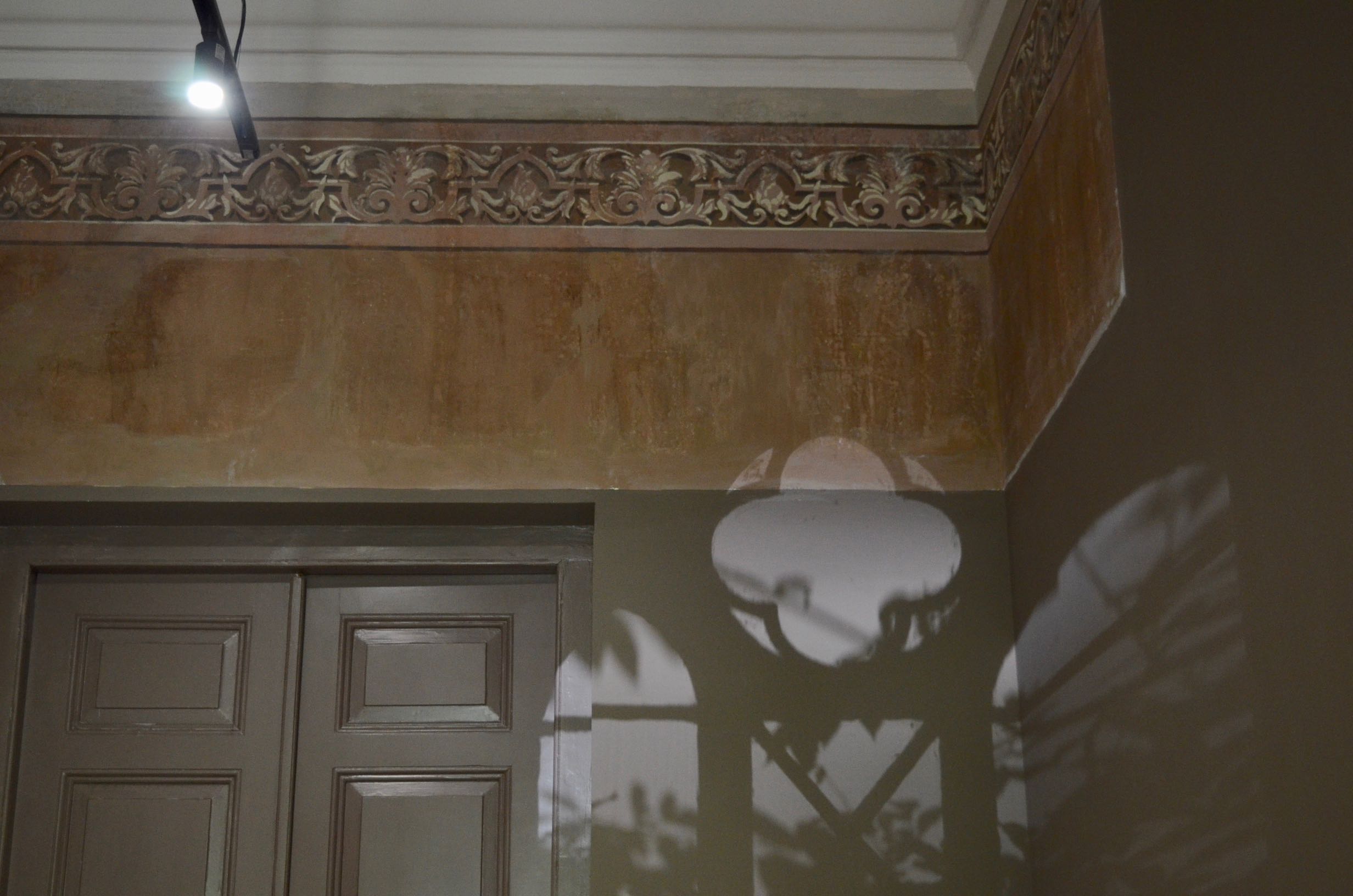
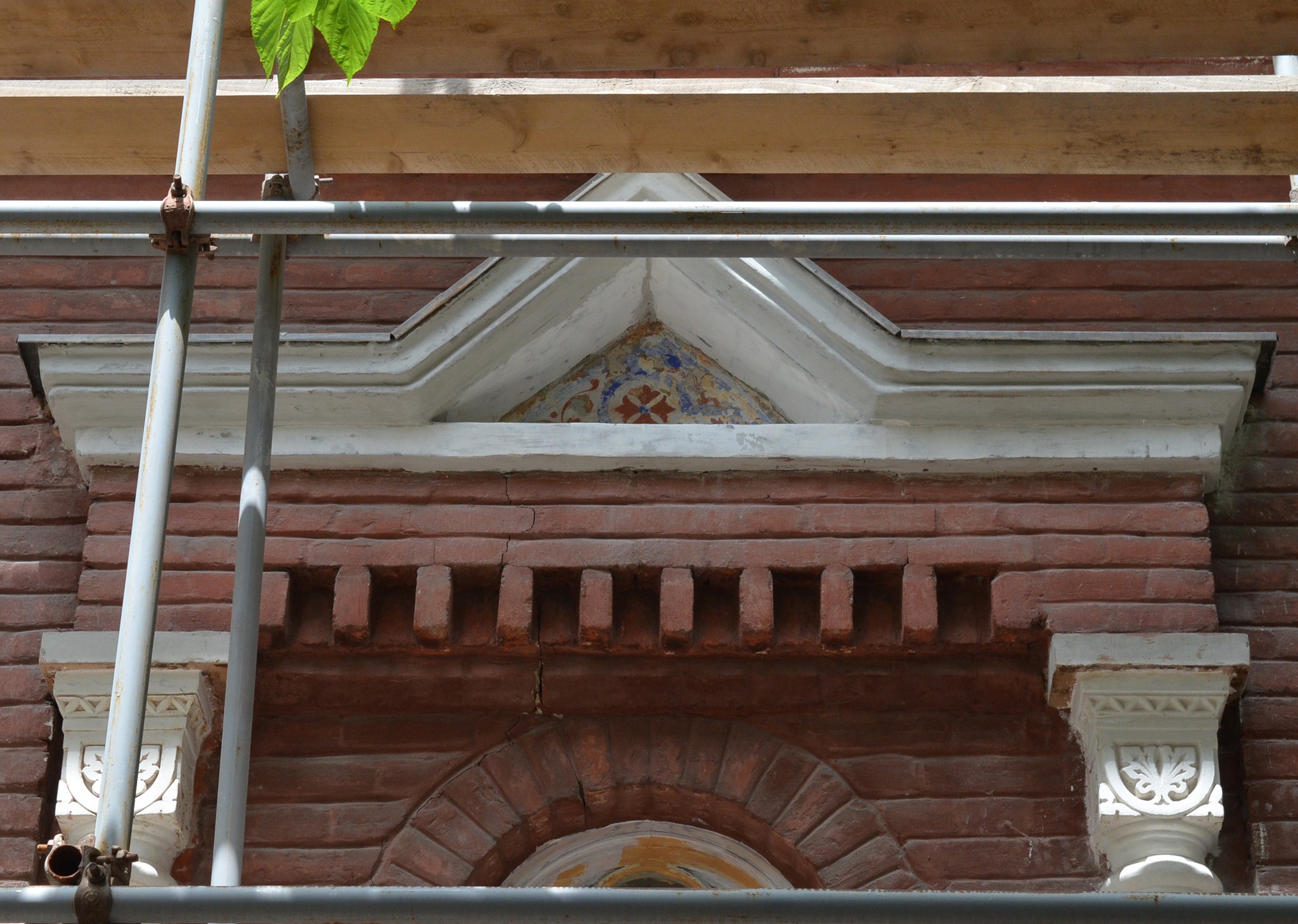
By the turn of the century, the building was in critical condition. Decades of damage from groundwater, a failing drainage system, and earthquakes had taken their toll, and the need for restoration was urgent. In 2020, a four-year conservation/restoration project, first envisioned in 2015, finally began. The transformation was extensive. The building was structurally reinforced, and its core infrastructure was completely modernized. To improve the visitor experience, a new elevator for the disabled and access to the basement were seamlessly integrated through a modern addition to the rear facade. A forgotten semi-basement was also brought back to life, adding valuable new space to the museum. This renovation was also a journey of discovery. The original floor plan was partially reinstated, and hidden treasures—beautiful wall and ceiling paintings—were uncovered and meticulously restored. The commitment to authenticity extended to the original doors, windows, and the unique Szymkiewicz exhibition furniture. Outside, the garden and yard were completely reimagined, creating a renewed landscape that honours the mature, existing plants.
The author of the conservation/restoration project is architect Nino Tchachkhiani. The project was planned and implemented with the leadership of Tbilisi Development Fund. The conservation/restoration works were financed by the Tbilisi City Hall with the co-financing of AIMF (The International Association of Francophone Mayors).